
Our curriculum
Learn, enjoy, flourish
Built around seven EYFS areas of learning. Every area works together, giving children a connected path through their early years.


The foundation of everything we do
Children are surrounded by rich conversations, stories, songs and opportunities to express themselves.
Practitioners model vocabulary, extend children's sentences, introduce new words and encourage children to listen and respond. For babies, this may begin with eye contact, facial expressions, babbling and responsive interaction.
For older children, it develops into sustained conversations, storytelling, questioning, reasoning and confidently expressing ideas.
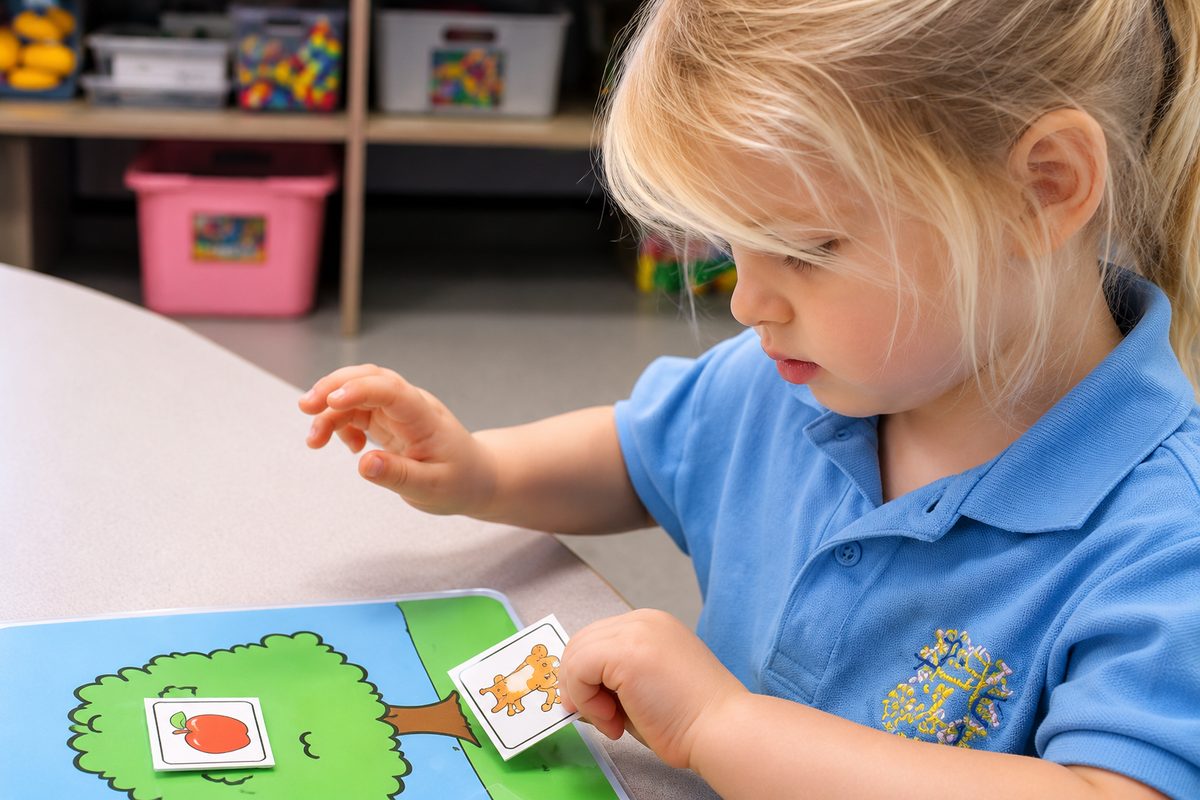
Understanding themselves and others
Children learn to recognise emotions, build friendships and grow in confidence.
Children are supported to recognise emotions, develop friendships, manage feelings, build confidence, become increasingly independent and understand boundaries. Warm relationships, predictable routines and consistent expectations help children develop emotional security.
Strong bodies for healthy development
Movement, climbing and balancing sit at the heart of this area.
The physical curriculum includes movement, climbing, balancing, running, jumping, throwing, catching, mark making, manipulation, fine motor development and self-care. Outdoor learning is an important part of this provision.
A genuine love of books
Daily stories, songs and rhymes build strong early foundations.
The literacy curriculum includes daily stories, songs, rhymes, vocabulary development, phonological awareness, mark making and early writing. For older children, this is supported by a phonics approach and carefully sequenced opportunities to develop the knowledge and skills needed for successful reading and writing.
Built through everyday experiences
Both planned teaching and everyday moments build mathematical understanding.
Children count, compare, sort, match, measure, recognise patterns, explore shape and space and develop mathematical language. Concepts are revisited over time, helping children gradually develop deeper understanding. For older children, adults explicitly model mathematical thinking and encourage children to explain how they reached an answer.
Naturally curious learners
Children are encouraged to investigate, observe and explore the world around them.
The curriculum encourages children to investigate nature, observe change, explore science, understand people and communities, develop cultural awareness and begin to understand technology and the environment.

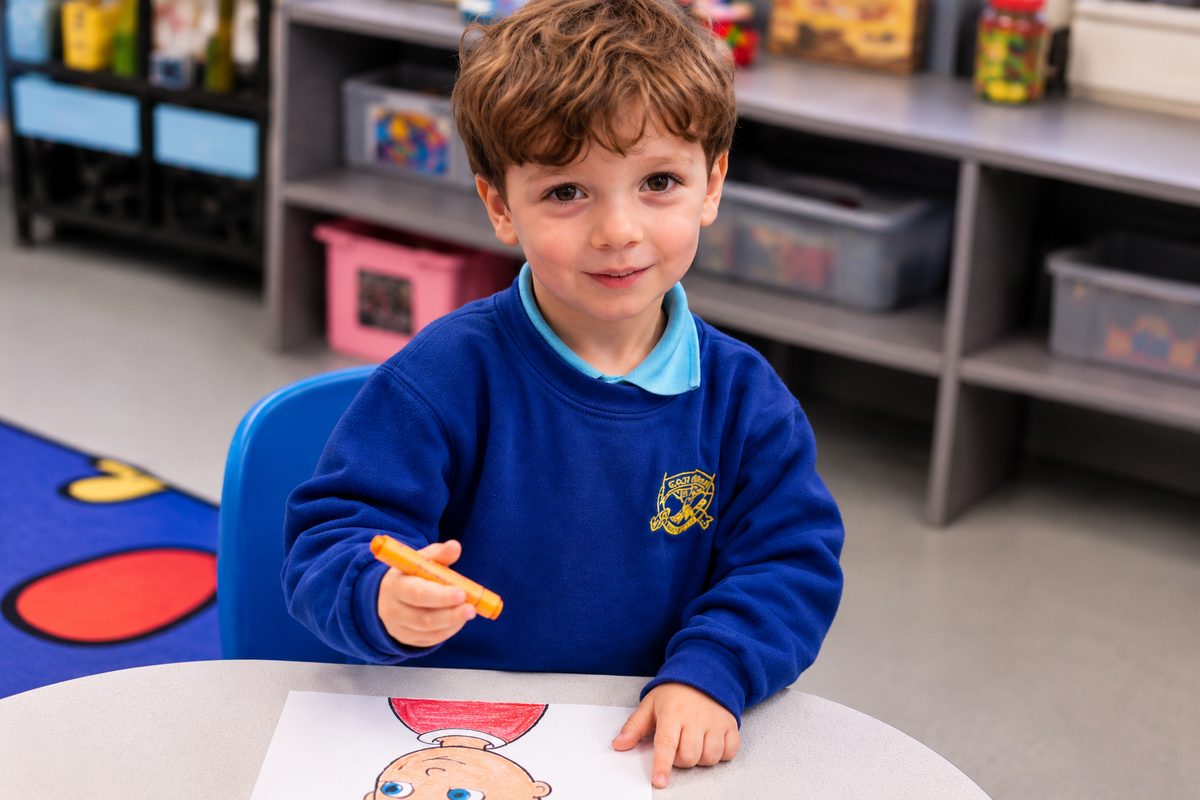
Space to create, imagine and express
Children have opportunities to create, imagine and express themselves freely.
The creative curriculum includes painting, drawing, music, movement, singing, dance, role play, construction, modelling and imaginative experiences. The focus stays on the process of creating rather than expecting every child to produce the same finished product.
Explore the curriculum for every age group
Download a full overview for your child's age group, including the monthly themes and books.
0-1 years
Buttercup & Bluebell
1-2 years
Daisy & Poppy
2-3 years
Snowdrop, Sunflower & Tulip
3-4 years
Happy Honeybees, Fantastic Fireflies & Beautiful Butterflies
Come and see for yourself
The best way to know if Auckland House is right for your child is to visit. Meet the team, see the rooms and ask every question on your mind.